

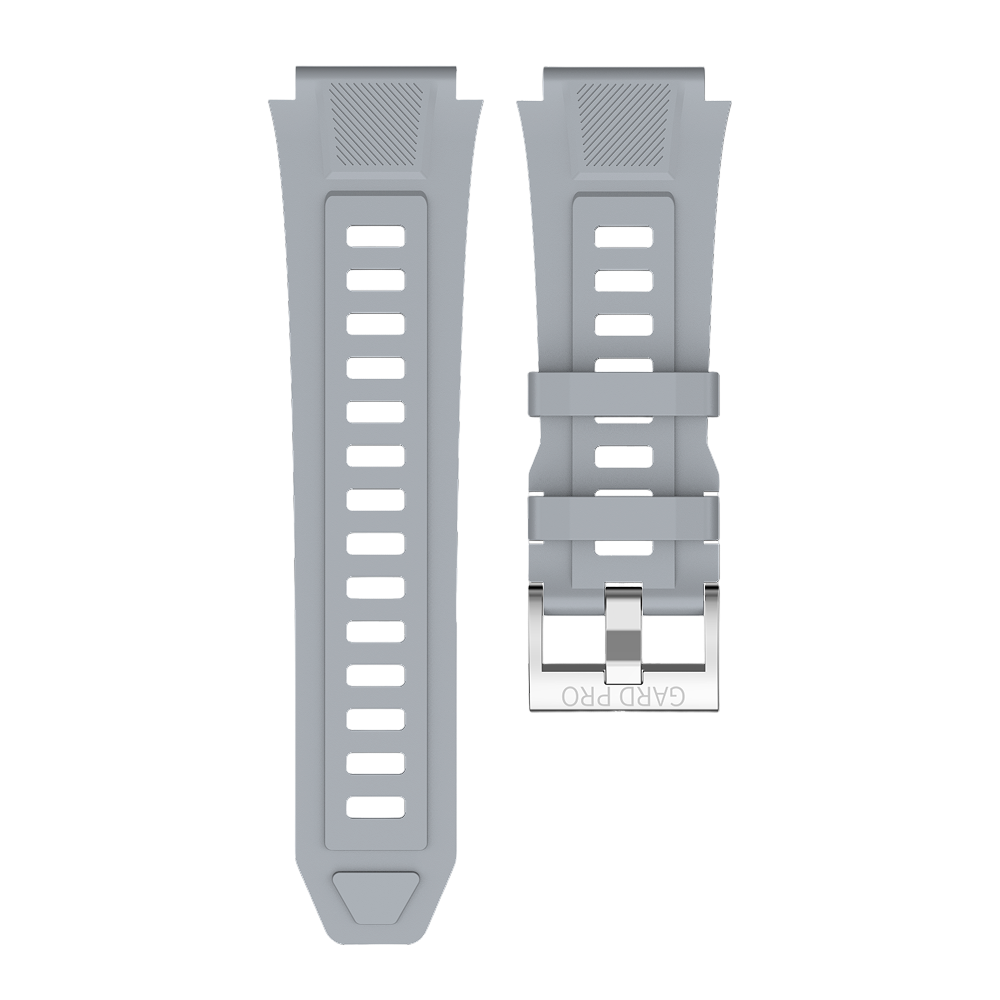
grigio Cinturino Ultra Serie

Cinturino sport nero

Cinturino in pelle nera

Gard Pro Ultra 3
Il nostro smartwatch GPS più avanzato. Batteria 90 giorni. Certificato MIL-STD.
grigio Cinturino Ultra Serie
Cinturino sport nero
Cinturino in pelle nera
Gard Pro Ultra 3
Il nostro smartwatch GPS più avanzato. Batteria 90 giorni. Certificato MIL-STD.
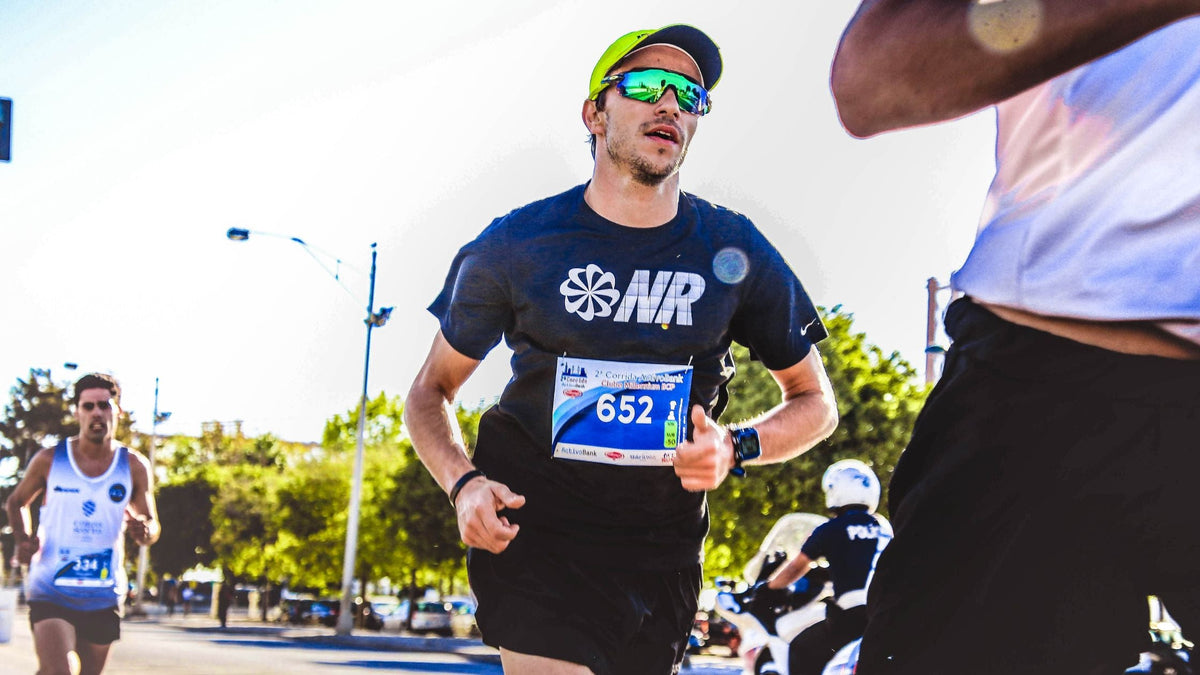
Training for a marathon is a huge challenge that requires dedication, discipline and determination. However, crossing the finish line is a rewarding experience that leaves you with a sense of accomplishment. Whether you are a seasoned runner looking to conquer the 42.2 kilometers or a new marathon runner ready to embark on a life-changing journey, this comprehensive training guide will provide you with the tools and strategies to master the marathon. So lace up your running shoes, set your sights on the finish line and dive into the world of marathon training!
Before you begin your marathon training, assess your fitness level and running experience. A strong foundation of regular running, preferably a half marathon, will be helpful. Consult a healthcare professional to make sure you are physically ready for the tough training ahead.
Creating a structured and progressive training plan is essential for marathon success. Choose a training program that fits your fitness level, goals and available time. Most training plans last 16 to 20 weeks and include long endurance runs, speed training, tempo runs and recovery days.
Long endurance runs are the backbone of marathon training. Gradually increase your mileage each week to build endurance and mental toughness. Aim for one long endurance run per week and expand your distance until you reach total marathon distance during training.
Speed workouts, such as intervals and tempo runs, improve running efficiency and increase your pace. Do one or two speed workouts per week to challenge yourself and develop speed for race day.
Rest and recovery are just as important as training - schedule rest days into your training plan to give your muscles a chance to recover and avoid burnout. Listen to your body and adjust if you feel overtired or in pain.
Nourish your body with a balanced and nutritious diet. Carbohydrates are crucial for energy; protein helps with muscle recovery and healthy fats support overall health. Hydration is paramount; drink water throughout the day and during your training runs.
Simulate race day conditions during your training. Run in similar weather conditions, try out race clothing and nutrition, and visualize your race strategy. This exercise will boost your confidence and prepare you for the big day.
Marathons are not only physical challenges, but also mental battles. Nurture a positive mindset, visualize and use strategies for moments of fatigue or self-doubt during the race.
In the final weeks before the marathon, you should scale down your training to give your body a chance to fully recover. Reduce mileage and intensity to ensure you are fresh and ready on race day.
Training for a marathon is an incredible journey full of self-discovery, determination and achievement. With a well-structured training plan, dedication and the right attitude, you can conquer the 42.2 kilometers and cross the finish line proud. Remember to listen to your body, provide yourself with proper nutrition and embrace the challenges and triumphs of the training process. When you step across the starting line, you will be ready for the ultimate endurance test and witness the transformative power of the marathon. Good luck and run!